
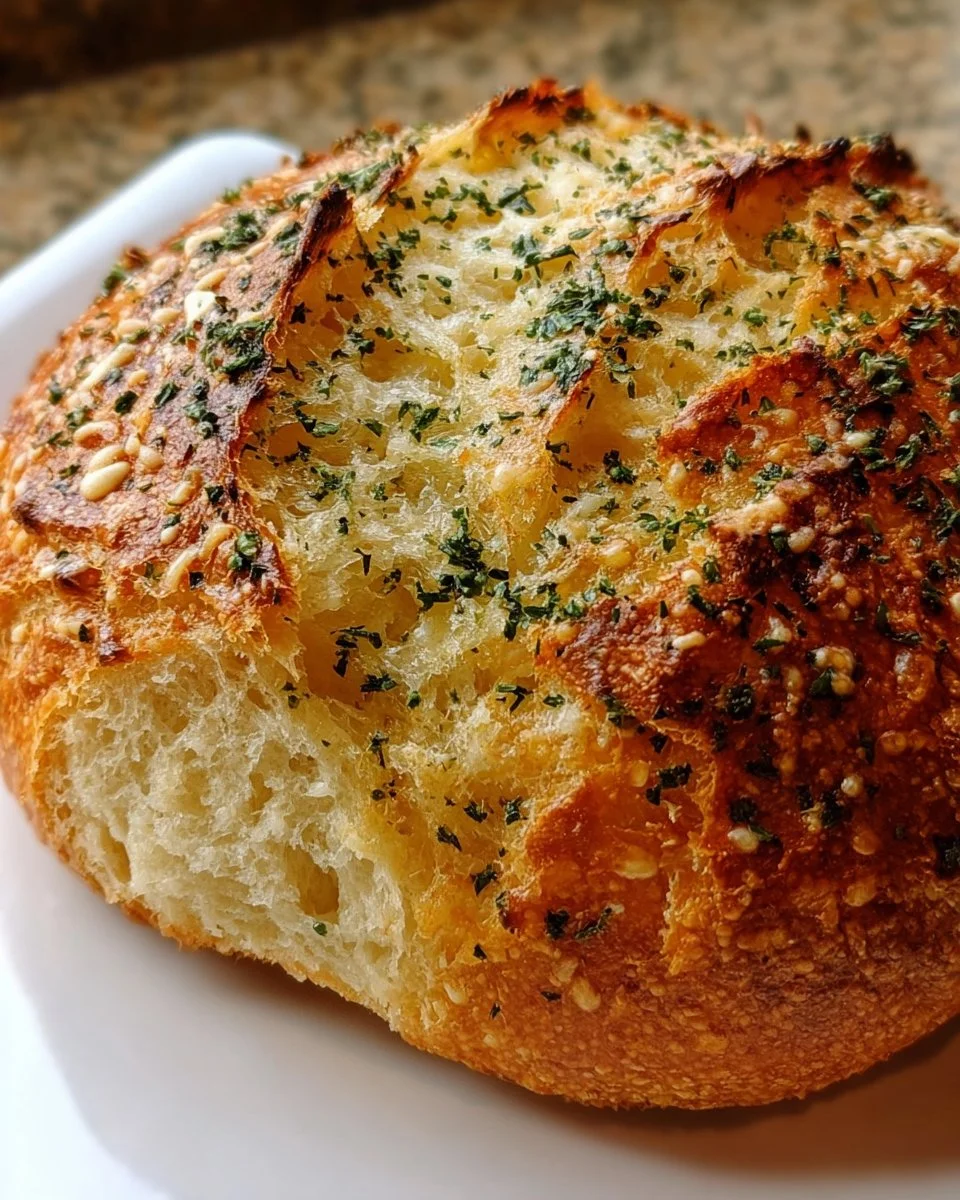
As the aroma of freshly baked bread wafts through your home, an irresistible urge to slice into that golden crust and dive into its warm, cheesy heart fills the air. Picture this: the first cut releases a crunch as the jagged blade breaks through the crisp surface, revealing an inviting, slightly chewy interior dotted with luscious pockets of creamy Gouda. The earthiness of dill and the slightest hint of black pepper play harmoniously, creating a symphony of flavors that take your taste buds on a delightful journey. The experience transcends mere sustenance; it transforms into a cherished memory, perfect for gatherings, quiet evenings, or even a solo indulgence paired with a perfect glass of wine.
No-Knead Dill Gouda Artisan Bread offers all this and more. This simple yet sophisticated loaf captures the essence of artisanal baking without the fuss of traditional kneading. With just a few basic ingredients and minimal hands-on labor, anyone can whip up this gourmet delight. Imagine your loved ones gathering around the table, enchanted by the enchanting scent of dill and cheese, as they eagerly await that first bite. Whether you’re hosting a cozy dinner party or enjoying a quiet Sunday morning, this bread elevates every moment, leaving hearts and bellies full.
Why You’ll Love This No-Knead Dill Gouda Artisan Bread
This No-Knead Dill Gouda Artisan Bread stands out for several delectably enticing reasons. First and foremost, the flavor profile—it’s all in the details. The robust flavors of aged Gouda intertwine beautifully with the fresh, vibrant notes of dill, creating a delicious balance that is both comforting and exhilarating. The texture offers a delightful contrast: a crackly crust that gives way to a soft, airy interior. The slight tang from the yeast enhances the overall complexity of flavors, making each bite an adventure.
This bread excels on so many occasions. Serve it warm as a show-stopping starter with a rich garlic-infused olive oil for dipping, or use it as a base for a decadent gourmet sandwich that will make your lunchtime routine feel like an event. The chilly winter evenings find comfort in its warmth, while summer picnics demand its presence alongside fresh salads and artisanal cheeses. This bread doesn’t just nourish—it brings people together, turning simple meals into festive gatherings filled with laughter and stories over shared slices.
Preparation Phase & Tools to Use
Creating this masterpiece requires minimal tools, each playing an essential role in transforming basic ingredients into a luscious loaf.
- Mixing Bowl: A large mixing bowl allows ample space for ingredients to come together without spilling or creating a mess.
- Rubber Spatula: A sturdy spatula makes it easy to stir and fold the dough without deflating its airiness, ensuring the finished bread retains its airy structure.
- Dutch Oven: A heavy cast iron Dutch oven creates an ideal oven environment. It traps steam, resulting in that coveted crispy crust while keeping the interior moist and tender.
- Parchment Paper: This simple tool helps with easy transfer from bowl to Dutch oven while preventing sticking—no one wants to lose a precious loaf!
- Wire Rack: A cooling rack allows airflow around the bread, preventing sogginess as it cools down, preserving that perfect crust.
Before you dive into baking, here are a few practical preparation tips:
- Ensure your water is at the right temperature—this activates the yeast effectively.
- Use fresh dill; the vibrant flavors enhance your bread significantly.
- Be patient during the rising process; good things take time!
Ingredients for No-Knead Dill Gouda Artisan Bread
- 1½ cups water (at or near 70°F/21°C)
- 1 teaspoon active dry yeast
- 3½ cups bread flour (plus more for dusting)
- 1 teaspoon kosher or fine sea salt
- ½ teaspoon freshly ground black pepper
- 2 tablespoons fresh dill (finely chopped)
- 1 cup cubed Gouda cheese
The ingredients for this bread are simple yet crucial to its success. The bread flour contributes protein, developing gluten that gives the structure without needing to knead—perfect for this no-knead recipe. Active dry yeast is essential for that gorgeous rise, producing a light and airy crumb. The Gouda cheese adds creaminess and a luscious depth, while fresh dill gives a burst of herbaceous flavor that dances on your palate. If you want to switch things up, consider using other cheeses like cheddar or adding in sun-dried tomatoes for an unexpected zing.
How to Make No-Knead Dill Gouda Artisan Bread
-
Activate the Yeast: In a medium bowl, add the yeast to the warm water. Let it sit for 10-15 minutes until it’s bubbly and fragrant—this means it’s alive and ready to work its magic!
-
Mix the Dry Ingredients: In a large mixing bowl, combine the bread flour, salt, freshly ground black pepper, and chopped dill. Whisk these together until evenly distributed. Let this mixture sit for 10 minutes to allow the flavors to meld.
-
Combine the Mixtures: Pour the yeast mixture into the bowl with the flour mixture. Using a rubber spatula, stir until the dough comes together. The dough will look sticky and shaggy, with some flour still clinging to the sides.
-
Let It Rise: Cover the bowl with a clean kitchen towel and let it rise in a warm spot until it has doubled in size—this will take about 8-10 hours.
-
Shape the Dough: Once the dough has risen, turn it out onto a floured surface. Using your hands, gently fold the dough into itself several times until it holds together. Shape it into a rectangular form and press the Gouda cubes into it. Roll it up into a log shape, tucking the ends underneath. Generously dust the top with flour; shape it into a ball.
-
Second Rise: Place the dough into a floured bowl, cover it, and let it rest in the refrigerator overnight or for up to 48 hours. This slow fermentation enhances flavor and texture.
-
Preheat the Oven: When you’re ready to bake, preheat your oven to 450°F (232°C) with your Dutch oven inside. This preheating creates the perfect baking environment.
-
Prepare for Baking: Uncover and gently turn the dough out onto a floured surface, seam side down. Shape it into a loaf and place it on a piece of parchment paper. Score the top with a razor blade or sharp knife, allowing the bread to expand and breathe while baking.
-
Bake It Up: Carefully remove the hot Dutch oven from the oven and lift the dough using the parchment paper. Place the parchment with the dough inside the pot. Cover it and bake for 30 minutes. After that, uncover the pot and bake for an additional 15-20 minutes until the crust is deep golden brown and sounds hollow when tapped.
-
Cool: Using the parchment edges, lift the bread from the pot and transfer it to a wire rack. Let it cool for up to an hour before slicing. Patience may be difficult, but trust us—it’s worth it!
Chef’s Notes & Helpful Tips
-
Make-Ahead Tips: This dough actually improves with time! You can store the dough in the fridge for up to 48 hours before fully baking, allowing for a deeper flavor development.
-
Cooking Alternatives: If you want a quicker option, you could try baking in a preheated air fryer, keeping the temperature consistent. A baking stone also works wonders for that crisp crust.
-
Customization Ideas: Feel free to swap out the Gouda for Gruyère or a sharp cheddar. You can also mix in other herbs like rosemary or thyme for a unique twist!
Common Mistakes to Avoid
- Using Water Too Hot: If your water is too hot, it can kill the yeast. Stick to lukewarm water to ensure the yeast revives correctly.
- Rushing the Rise: Don’t skip the rising times! This allows the flavors to develop and guarantees a light, airy texture for your bread.
- Over-kneading: In this no-knead method, kneading should be minimal. Mixing just until combined keeps the integrity of the dough intact, making it soft and chewy.
What to Serve With No-Knead Dill Gouda Artisan Bread
Pair this irresistibly aromatic bread with a variety of delectable accompaniments:
- Olive Oil: An artisanal olive oil for dipping, infused with herbs or garlic, complements the flavors beautifully.
- Cheese Platter: Showcase a selection of cheeses alongside—think aged cheddar, creamy brie, or sharp blue cheese.
- Crusty Soups: A warm, hearty tomato basil or creamy potato soup served in a bowl will make this bread even more inviting.
- Savory Spreads: Homemade hummus or a tangy herb spread brings a creamy element that pairs with the crunch of the crust.
- Salads: Fresh arugula or mixed green salad dressed in vinaigrette can act as a refreshing counterpoint to the richness of the bread.
- Antipasto Platter: Offer olives, pickled vegetables, and salami, creating a vibrant and delicious spread for sharing.
- Avocado Toast: Enjoy a slice topped with smashed avocado, a sprinkle of sea salt, and a drizzle of lemon for a simple yet elegant dish.
- Egg Dishes: Warm slices alongside poached eggs create a breakfast that sings of comfort and indulgence.
Storage & Reheating Instructions
Store your delightful artisan bread at room temperature in a bread bag or wrapped in a kitchen towel to keep it fresh for a few days. If you wish to keep it longer, slice and freeze the loaf in an airtight container. This method preserves flavor and texture. When you’re ready to enjoy, simply thaw at room temperature or toast slices directly from the freezer to revive that cozy crunch.
Estimated Nutrition Information
(Note: These values are approximations and may vary based on specific ingredients used.)
- Serving Size: 1 slice
- Calories: 210
- Total Fat: 7g
- Saturated Fat: 4g
- Cholesterol: 18mg
- Sodium: 240mg
- Total Carbohydrate: 28g
- Dietary Fiber: 1g
- Sugars: 0g
- Protein: 6g
FAQs
1. Can I use a different type of flour?
Yes! While bread flour gives the best results, you can substitute all-purpose flour or even whole wheat flour. Just remember, the texture might be slightly different.
2. What if I don’t have fresh dill?
Dried dill works well too! Use about one to two teaspoons of dried dill in place of fresh; the flavor will be a bit less vibrant but still delightful.
3. My bread turned out dense. What went wrong?
This can happen if the yeast is inactive due to expired yeast or if the dough didn’t rise long enough. Always check the yeast’s expiration date and ensure the dough doubles in size.
4. Can I bake this bread in a regular oven on a baking sheet?
While a Dutch oven provides superior results, you can bake it on a baking sheet. Just place a pan with water at the bottom of the oven to create steam for a better crust.
5. How can I tell when the loaf is done baking?
Press the bottom of the loaf gently. If it feels hollow, it’s done. A deep golden-brown color on the crust is also a good indicator!
Conclusion
No-Knead Dill Gouda Artisan Bread is more than just a recipe; it’s a warm, comforting embrace that draws friends and family together. With rich, complex flavors and incredible textural contrast, each slice brings joy and satisfaction. Gather your ingredients, roll up your sleeves, and get ready to experience the magic of freshly baked bread—the kind of magic that lingers long after the last crumb is gone. This is not just a loaf; it’s a celebration, a delight, and a moment to relish. Try this recipe today, and let the delightful aroma fill your home, inviting everyone to the table for a taste of something truly special!
Print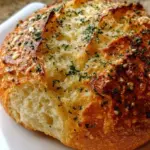
No-Knead Dill Gouda Artisan Bread
- Prep Time: 10 minutes
- Cook Time: 45 minutes
- Total Time: 10 hours 55 minutes
- Yield: 1 loaf 1x
- Category: Bread
- Method: Baking
- Cuisine: French
- Diet: Vegetarian
Description
A simple yet sophisticated no-knead bread infused with the earthy flavors of dill and creamy Gouda.
Ingredients
- 1½ cups water (at or near 70°F/21°C)
- 1 teaspoon active dry yeast
- 3½ cups bread flour (plus more for dusting)
- 1 teaspoon kosher or fine sea salt
- ½ teaspoon freshly ground black pepper
- 2 tablespoons fresh dill (finely chopped)
- 1 cup cubed Gouda cheese
Instructions
- In a medium bowl, add the yeast to the warm water. Let it sit for 10-15 minutes until it’s bubbly and fragrant.
- In a large mixing bowl, combine the bread flour, salt, freshly ground black pepper, and chopped dill. Whisk until evenly distributed and let this mixture sit for 10 minutes.
- Pour the yeast mixture into the bowl with the flour mixture. Using a rubber spatula, stir until the dough comes together.
- Cover the bowl with a clean kitchen towel and let it rise in a warm spot until it has doubled in size, about 8-10 hours.
- Once risen, turn the dough out onto a floured surface. Gently fold the dough into itself several times and shape it into a rectangular form. Press the Gouda cubes into it and roll it into a log shape.
- Place the dough into a floured bowl, cover it, and let it rest in the refrigerator overnight or up to 48 hours.
- Preheat your oven to 450°F (232°C) with your Dutch oven inside.
- Uncover the dough, turn it out onto a floured surface, seam side down, and shape it into a loaf. Transfer to parchment paper and score the top.
- Carefully remove the hot Dutch oven from the oven, lift the dough using parchment, and place it inside. Cover and bake for 30 minutes, then uncover and bake for an additional 15-20 minutes until deep golden brown.
- Lift the bread from the pot and transfer it to a wire rack. Let it cool for an hour before slicing.
Notes
Bread improves with time; you can store it in the fridge for up to 48 hours before baking for deeper flavor.
Nutrition
- Serving Size: 1 slice
- Calories: 210
- Sugar: 0g
- Sodium: 240mg
- Fat: 7g
- Saturated Fat: 4g
- Unsaturated Fat: 2g
- Trans Fat: 0g
- Carbohydrates: 28g
- Fiber: 1g
- Protein: 6g
- Cholesterol: 18mg