
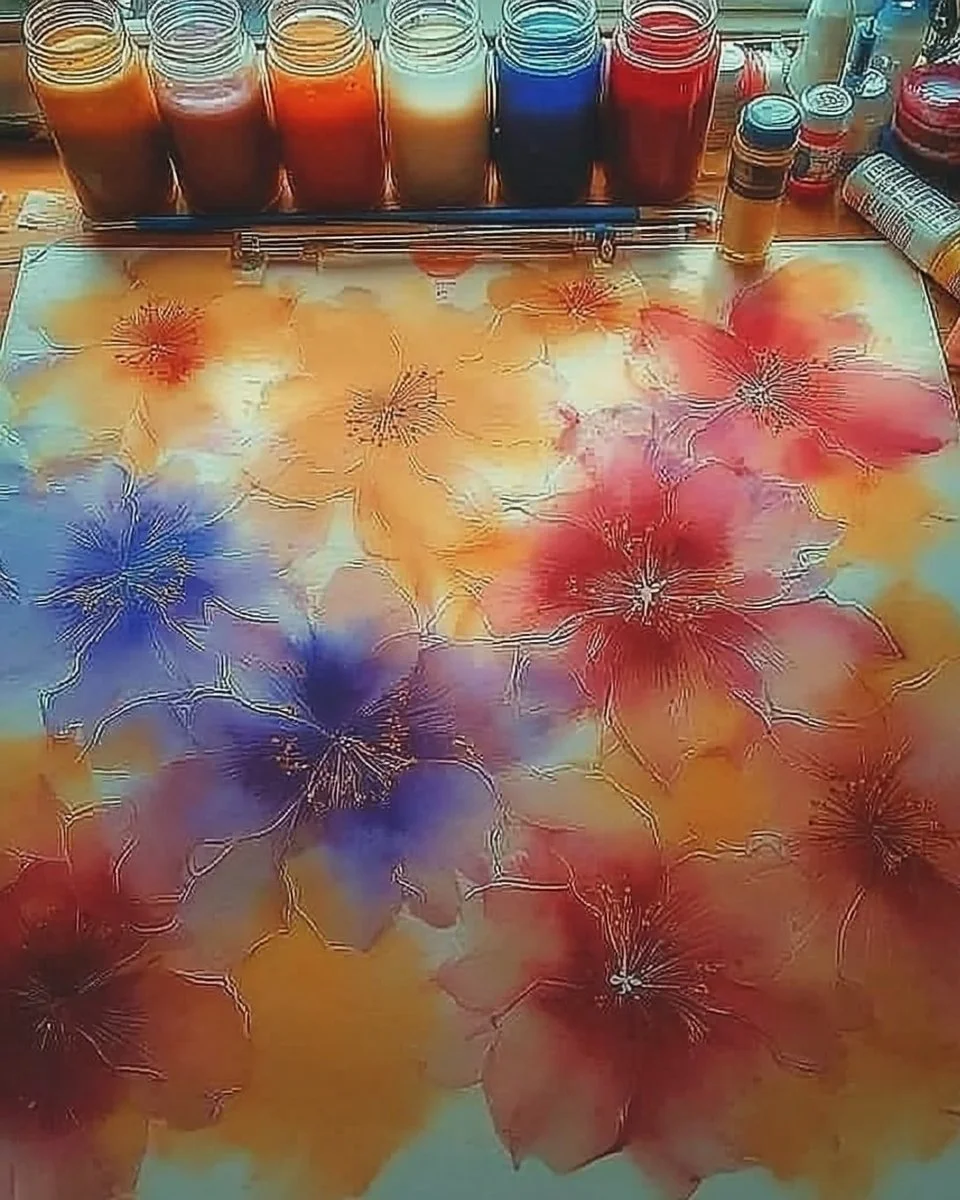
Create Colorful Masterpieces with Our Sugar Water Painting for Kids!
Imagine a sunlit afternoon, the warm golden rays filtering through your kitchen window, where laughter intertwines with creativity and the scent of innocence hangs in the air. You pour out a tiny palette of vibrant colors, ready for your little ones to embark on an exhilarating artistic adventure. Today, they won’t just be painting; they’ll be engaging in a delightful art of sugar water painting, a unique twist on classic watercolors that will leave their hands smudged with joy and imagination. 🌈✨
Here, we’ll dive into how to create colorful masterpieces using sugar water painting that is not only easy-going but also full of enchanting surprises. This engaging craft project is perfect for little hands eager to explore the world of art while fueling their creative sparks.
Why Sugar Water Painting?
Parents, educators, and art enthusiastans adore this craft because it transforms everyday ingredients into a canvas of creativity. Traditional watercolors can sometimes be daunting for young children—they often seem too neat and structured, but sugar water painting embraces the chaotic beauty of exploration.
The magic of sugar water painting lies in its simplicity; it invites children to use their imagination freely, blending science with art. The sugar provides a surprising texture and a glossy finish, giving each masterpiece a unique flair each time it’s applied.
Benefits and Best Occasions to Use It
There are countless benefits to introducing your kids to sugar water painting. This craft isn’t just a way to keep their little hands busy; it promotes motor skills, encourages their creativity, and can turn any dull afternoon into a vibrant explosion of colors. From a rainy day indoors to an inspired summer afternoon, it is adaptable to any occasion. Birthdays, playdates, or even simple family gatherings can gain an extra touch of fun with this lively art project.
The Materials You’ll Need
Creating your sugar water paintings requires minimal but essential materials—many of which you may already have at home. Here’s what you’ll need to gather:
- Granulated sugar: This is the magical ingredient that makes our painting unique. Not only does it add texture, but it also gives your artwork a shimmering finish as it dries.
- Water: The main medium for dissolving our sugar and mixing colors.
- Food coloring: Vibrant hues will add life to your art. Get a variety of colors for a rainbow of options!
- Non-porous paper or cardstock: Watercolor paper is ideal, but any thick paper should work to hold the sugar/water mix without warping.
- Paintbrushes: Various sizes allow for different techniques and details.
- Containers for mixing: Small bowls or cups work wonders.
- Old newspapers or a plastic tablecloth: To cover the workspace for an easy cleanup.
Crafting the Masterpiece: Step-by-Step Instructions
-
Prepare Your Workspace: Lay down your paper and cover your workspace with newspapers or a plastic sheet. Kids are inherently messy—this craft will be no exception!
-
Mix the Sugar Water: In a small bowl, combine one part sugar to two parts warm water. Stir until the sugar dissolves completely. If you want a thicker texture, add a bit more sugar; if a thinner line is desired, add a touch more water.
-
Divide and Color: Pour your sugar water into small containers. Add a few drops of food coloring to each and stir well to create a colorful concoction. The children can experiment by blending colors to create new shades!
-
Unleash Creativity: Give each child a brush, dip it into the colorful mix, and let their imaginations soar! Encourage them to paint swirls, stripes, or even their favorite characters. What’s brilliant about this medium is watching the colors blend and evolve into something magical.
-
The Finishing Touch: Once they’re satisfied with their masterpieces, leave them to dry on a flat surface. The sugar will create a lovely gloss as it dries, turning each piece into a shiny treasure.
Helpful Tips Throughout the Craft
- Keep It Fun: Remember that this is about the joy of creating. There are no mistakes in art—just opportunities for innovation!
- Experiment with Technique: Encourage your kids to use different brush strokes—gentle dabs for soft blends, or quick, sharp strokes for vibrant bursts of color.
- Be Mindful of Quantity: A little sugar goes a long way. Take care not to make the mixture too thick if you want a more fluid look.
Beginner Mistakes to Avoid
It’s easy to run into a few common pitfalls when painting with sugar water:
- Using Too Much Water: While some dilution is necessary, too much water can dilute the vibrant colors.
- Not Allowing Enough Drying Time: The finished pieces may appear different once they are fully dried, so pass along patience to your budding artists!
Flavorful Variations
Explore endless creativity with variations of the traditional sugar water painting:
- Adding Salt: Sprinkle salt onto wet paint for a textured, starry effect!
- Natural Dyes: Experiment with using fruits or vegetables for natural pigments. This adds chemistry and fun to the project.
- Layering Techniques: Create depth by allowing one layer to dry before painting over it with another color.
Presentation Ideas
When your little ones finish their masterpieces, make them shine! Consider placing their artwork in frames or using clotheslines and clothespins to display the art in a delightful gallery space in your home.
Storage and Maintenance Tips
If you happen to have leftover sugar water mixture, store it in a sealed container in the fridge for a few days. However, it’s best enjoyed fresh! The paintings can be preserved by keeping them out of direct sunlight to minimize fading.
Frequently Asked Questions
Can adults join in the fun?
Absolutely! Sugar water painting is a fantastic way for parents to connect with their children creatively, creating joyful family memories.
How long does it typically take to dry?
The drying time can vary, usually between 3 to 6 hours depending on temperature and humidity. Patience will reward you with those beautifully glossy art pieces!
A Colorful Conclusion
Crafting isn’t just about the end product; it’s a journey filled with laughter, splashes of color, and precious memories. Sugar water painting is the perfect crafting adventure, inviting children to express their inner artists while wielding the magic of simple ingredients. So gather your supplies, unlock the creative potential, and watch as your kids unleash their imagination onto the canvas—creating colorful memories along the way.
Prepare for a delightful crafting day, and if you’re ever looking for a creative twist, sugar water painting will surely satisfy those little hands eager to explore the world of art. Save this pin for your next adventure!
Meta Description: Unlock creative potential with our easy sugar water painting project! This colorful masterpiece idea is perfect for kids to explore art and fun.
SEO Tags: Kids Art, Sugar Water Painting, Fun Crafts for Kids, DIY Kids Projects, Creative Activities, Family Fun, Art Activities for Kids